Writing
Writing at Yew Tree Primary School
Covid-19 had a significant impact on the development of children’s writing across the country. At Yew Tree Primary School, we have carefully reviewed and strengthened the way we teach writing to ensure that all pupils gain the skills, confidence and stamina they need to become successful, independent writers.
Early Years (EYFS)
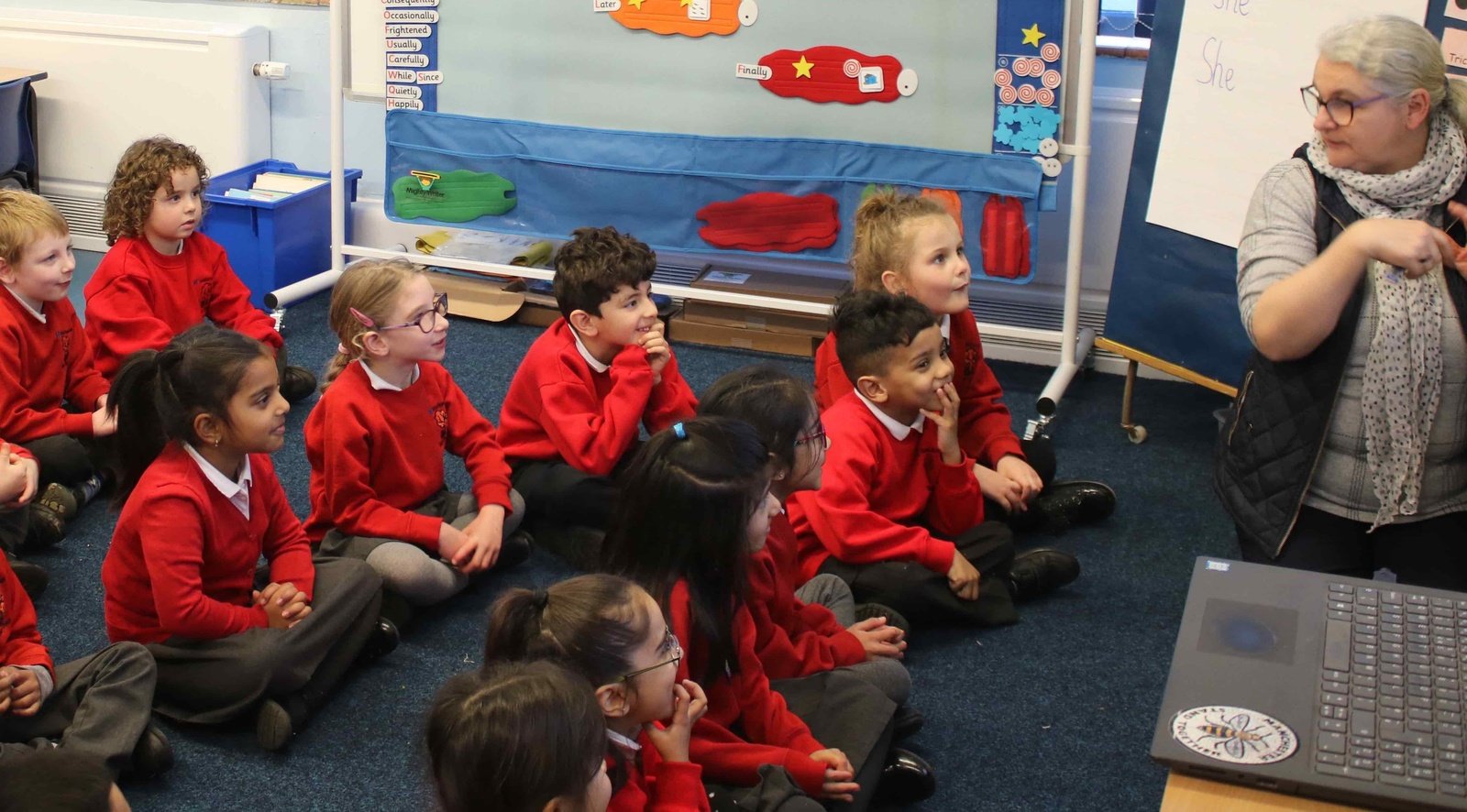
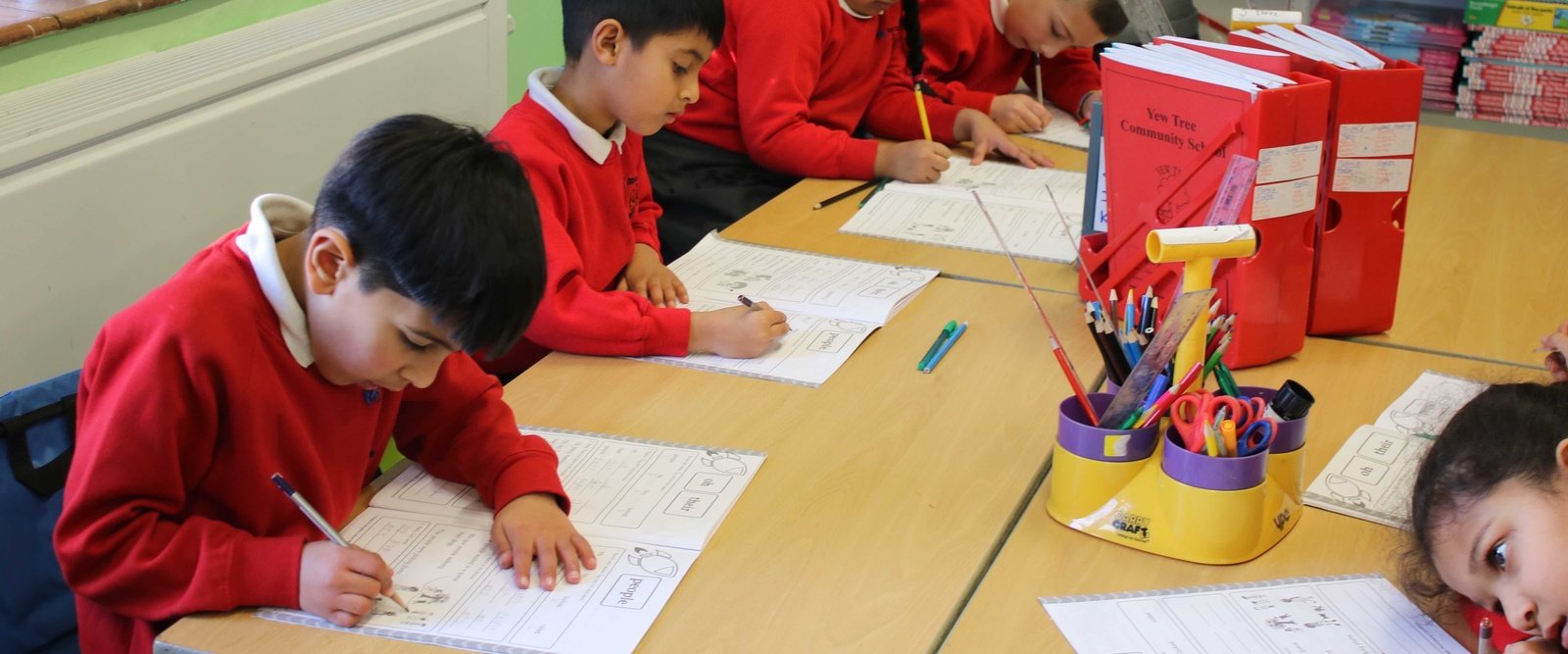
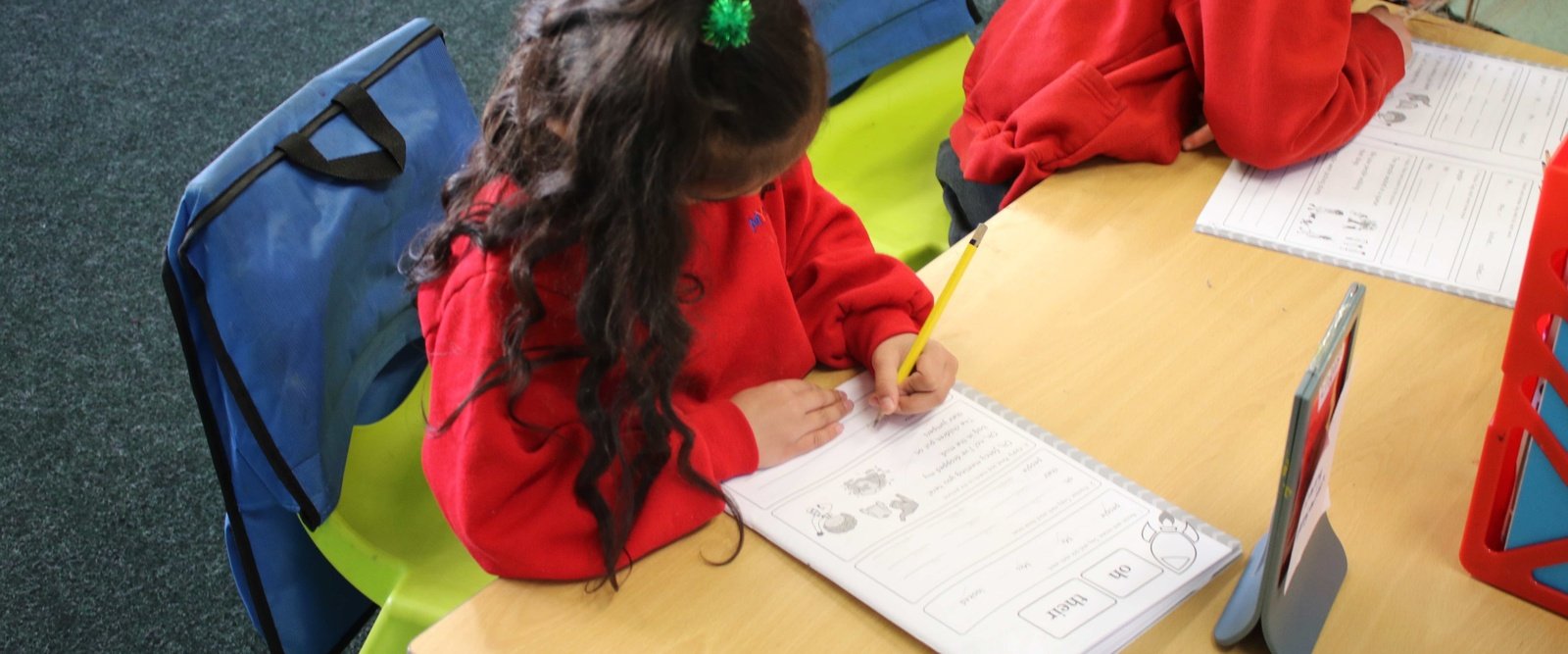
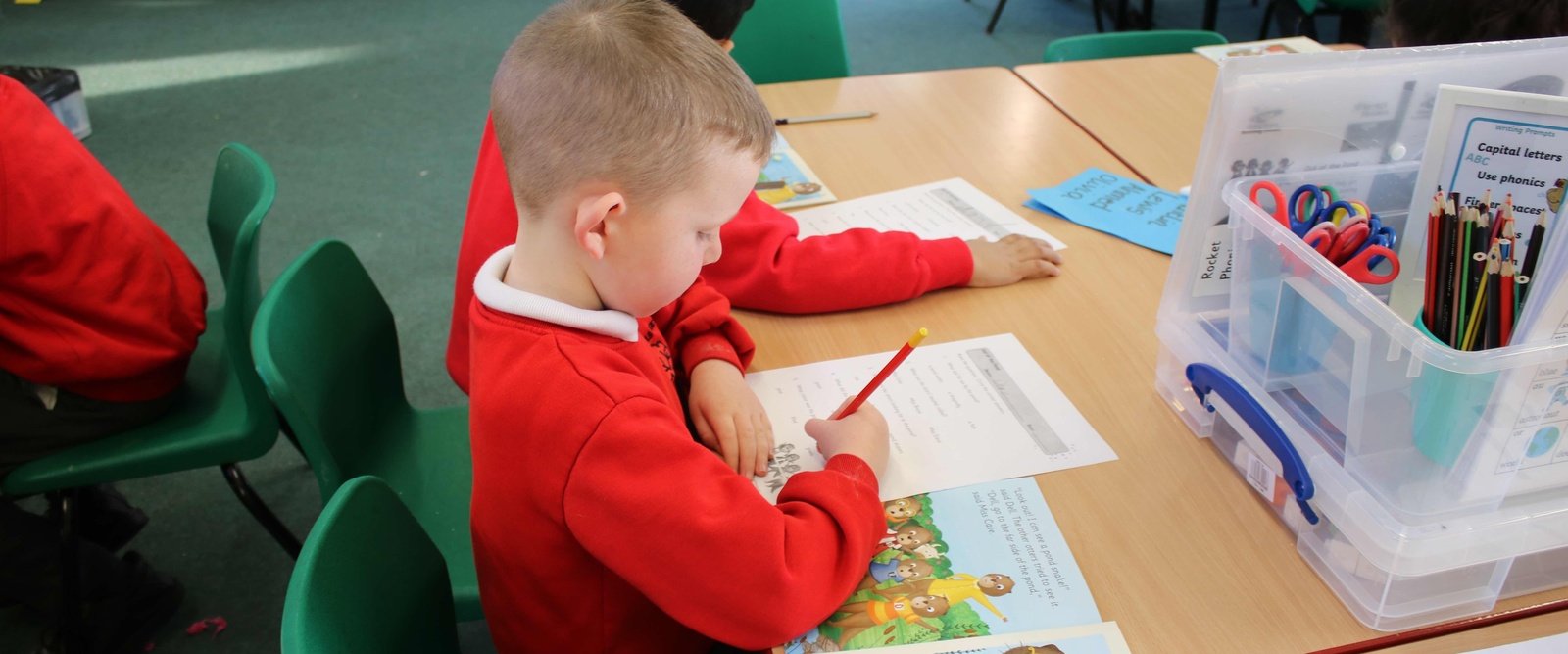
In our Early Years, children have lots of opportunities to explore writing through ‘mark making’ in all areas of the classroom, using a wide range of materials. Through daily phonics sessions, children learn how to form letters correctly and begin to write simple sentences. They practise their skills by retelling familiar stories and taking part in real-life writing activities, such as writing signs, labels or messages.
Developing Writing Across School
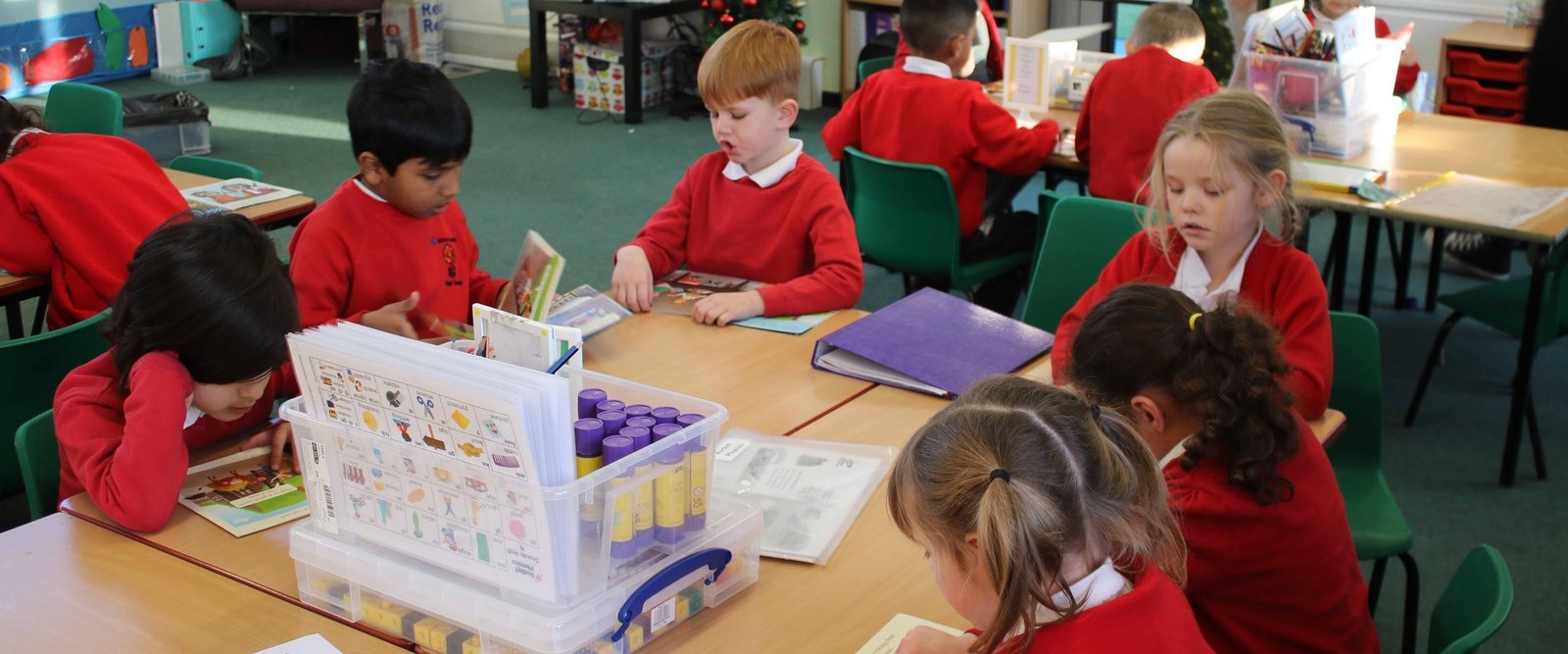
As children move through school, they study high-quality texts that inspire their writing and help develop their vocabulary and ideas.
To help pupils understand what excellent writing looks like, each unit of work is built around a WAGOLL (What A Good One Looks Like). This is a high-quality example that shows the structure, style and language features we want pupils to use in their own writing.
This year, we have updated our writing curriculum to give children even more opportunities to use and apply the grammar and skills they are taught. Staff have received training from One Education, supported by additional tailored training from our English Leader, to ensure consistency and high-quality teaching across the school.
Feedback and Support
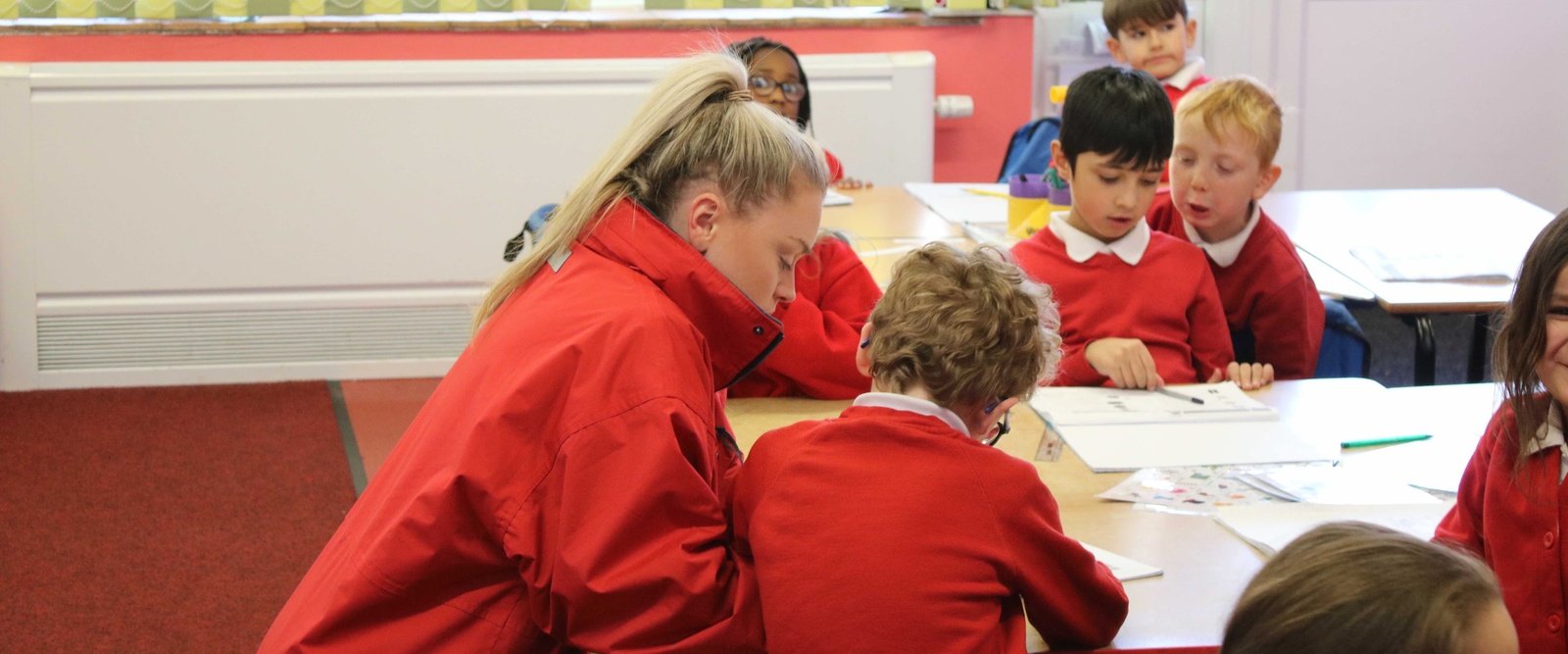
During lessons, teachers and teaching assistants give live feedback to help pupils address any misunderstandings straight away. After the lesson, books are marked for accuracy using the federation’s marking code.
From Year 2 upwards, each writing lesson begins with a short green-pen activity. This may include correcting mistakes, practising a skill or completing a challenge based on the teacher’s feedback.
In Key Stage 2, teachers also work with a different focus group each day. This ensures every child receives targeted support at least once a week to help them make good progress. In Year 2, teachers have more flexibility to work with individuals or groups as needed.
